Southampton

UK

Southampton

Southampton is Britain's busiest cruise port and a walk-off deep-water dock, wrapping a compact medieval old town, the country's richest Titanic story and its Spitfire heritage into the hours before or after a sailing.

Facts verified Aug 12, 2026 · cross-checked across 15 sources

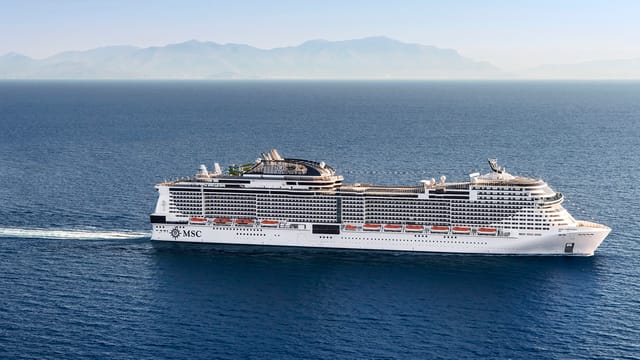
Photo by Hulki Okan Tabak on Unsplash

Getting ashore
Docks alongside
Walk straight off the ship, with no tender
Country
United Kingdom
Currency
British pound (GBP)
Language
English
Time
London (UTC+00) standard time
Emergency
Dial 999 in an emergency
Verified Sourced Estimate

At a glance

Before you step off

English is the language and the pound sterling the currency, running around 0.75 to the US dollar, so a contactless card covers almost everything and you will rarely need cash for a few hours ashore. Power is the UK three-pin Type G plug at 230 volts and 50 hertz, so anyone arriving with North American devices needs both a physical adapter and a charger rated for 230 volts. The US State Department currently lists the United Kingdom at Level 2, exercise increased caution (as of May 2025), which in a calm dock city like this means nothing more than ordinary big-city sense with your bag and phone.

Practical needs sit within a short walk of the terminals: a pharmacy and a doctors' surgery are both within about 1.4 km and an ATM within roughly 1.2 km. The detail that matters most on a turnaround day, though, is that Southampton is a deep-water dock: you walk straight off, there is no tender. The City and Horizon terminals are about a 15-minute walk from the centre while Mayflower, Ocean and the QEII terminal are better reached by taxi.

The crew’s read, written from the verified facts in this guide.

What to do

The top 10 things to do in Southampton

The 10 that earn your hours first, and 2 more below them, ranked.

SeaCity Museum Must see

Photo: Hahnchen · CC BY-SA 3.0

№ 1 of 12

SeaCity Museum

2.6 km from the pier taxi

The city museum, built around Southampton's own Titanic story rather than the ship's. Most of the crew were Southampton people who gave local addresses when they signed on, and the losses fell street by street across the town. This is the one stop that explains why this port, of all ports, is the one you sailed from.

Nothing planned yet

Add something from the list or the map and your day will appear here.

    What to eat

    Know the local table

    Expect British comfort food rather than a hometown cuisine. Fish and chips, a big cooked breakfast, and afternoon cream tea cover the classics, while watercress grown in Hampshire's streams supplies the one genuinely regional note.

    Southampton eats the way Britain eats rather than like anywhere uniquely its own: this is the port for a proper chip-shop supper down by the water, a full cooked breakfast before you sail, and tea taken seriously in the mid-afternoon. Beyond the docks is watercress country, and a roast dinner is worth timing your last hours ashore for if the clock allows. In the city itself you are choosing from a modern British high street of chains, curry houses, coffee shops and the food court at Westquay, so treat the final meal as a farewell to British comfort food rather than a hunt for a regional specialty.

    dish

    Fish and chips

    Battered white fish with thick-cut chips, salt and vinegar — the definitive British seaside meal, best eaten by the water.

    Fish: Typically contains fish; recipes vary, so askGluten: Typically contains gluten; recipes vary, so ask

    dish

    Full English breakfast

    Fried eggs, bacon, sausage, baked beans, grilled tomato and toast — the traditional cooked start to a British day, and an easy pre-embarkation meal.

    Egg: Typically contains egg; recipes vary, so askGluten: Typically contains gluten; recipes vary, so ask

    dish

    Cream tea

    Warm scones split and spread with clotted cream and strawberry jam, served with a pot of tea — a South of England afternoon tradition.

    Gluten: Typically contains gluten; recipes vary, so ask

    dish

    Sunday roast

    A roast joint with roast potatoes, Yorkshire pudding, seasonal vegetables and gravy — the classic British Sunday lunch in any decent pub.

    Gluten: Typically contains gluten; recipes vary, so askEgg: Typically contains egg; recipes vary, so ask

    ingredient

    Hampshire watercress

    The peppery salad leaf grown in the chalk streams of rural Hampshire around Alresford, eaten in soups and salads and celebrated at the county's watercress festival.

    Allergy flags reflect the typical recipe. Kitchens vary, so always ask.

    When to sail

    When to go, month by month

    Every cell below is computed from 3,653 days of observations and 45 hurricane seasons. Color is the month's weather verdict, and each number is the measurement behind it.

    January, written out

    A gray Solent morning, breath visible on deck. January in Southampton runs highs near 46°F and lows around 38°F, with the sea a bracing 47°F, so this is a coat, hat and gloves port. Roughly 61mm of rain falls across the month, usually as drizzle rather than downpour, and daylight stays short. The upside is space. Winter sailings out of Britain's busiest cruise port meet almost no crowds ashore, and the medieval walls sit quiet under low cloud. Time it around the calendar, though. New Year's Day and 2 January are both public holidays, and opening hours can shrink or vanish while the city sleeps off the season. If your ship turns around here in deep winter, plan an indoor-leaning day, keep a waterproof handy, and treat any dry, bright spell as a bonus worth chasing on foot.

    February is the quiet month, and the driest of the winter. Around 46mm of rain, noticeably less than January, with highs near 47°F and lows still around 38°F. The sea holds at 47°F, cold enough that the water is scenery, not an activity. Days lengthen a little, and with no public holidays on the calendar there is nothing pulling opening hours off their usual rhythm. Expect a chill wind off the water and the occasional hard-blue sky that makes the old town photograph beautifully. Dress in layers, keep gloves in a pocket, and the compact center walks comfortably between showers. For cruisers who like a port entirely without crowds, this is arguably the best-kept slot of the year, provided you make peace with the cold and the early dusk.

    Daffodil weather, in theory. March nudges highs up near 50°F while nights hold around 39°F, and the sea creeps upward at 48°F. Rain totals about 50mm, spread thin, the kind that starts and stops without ruining a walk. This is late-winter Britain with the first hints of spring, so pack a warm layer under the waterproof. The holiday calendar is busy this month. Saint Patrick's Day passes mid-month, then Good Friday and Easter Monday can bracket a long weekend when opening hours shift and locals travel. If your call lands on one of those days, check what is open before building a plan around it. Otherwise March is a calm, cool shoulder month, short on crowds and honest about its weather.

    The thermometer starts moving in April. Highs reach about 54°F, lows sit around 42°F, and the sea warms a notch at 51°F. Rain stays moderate at roughly 52mm, and the showers tend to be brief, with real stretches of pale sunshine in between. No public holidays interrupt the month, so hours run normally and the city gets on with spring. On deck a jacket still earns its keep at sailaway, especially once the wind picks up over the water, but a midday walk ashore can feel genuinely mild. April is when Southampton's cruise season begins to stir in earnest, and the port stays busy without the summer crush. A flexible layer system beats a heavy coat now, and an umbrella still deserves its place in the daypack.

    May is when Southampton starts to feel generous. Highs run around 61°F, lows near 48°F, and the sea makes its biggest jump of the spring, reaching 57°F. Rain eases to about 49mm, and the lengthening evenings mean sailaway happens in daylight. Two public holidays shape the month, the Early May Bank Holiday and the Spring Bank Holiday, and both can alter opening hours while lending the waterfront a festive, day-off feel. Outside those weekends this is prime shoulder-season cruising, warm enough for shirtsleeves at midday, cool enough that a light jacket still matters after dark. If you want the classic British spring, green, breezy and mostly dry, this is the month that delivers it most reliably.

    Long light changes everything in June. Highs sit near 66°F with lows around 53°F, and the sea climbs to 63°F, its friendliest reading of the first half of the year. Rain ticks up slightly, about 56mm, often arriving as short showers between bright spells rather than washed-out days. There are no public holidays, so nothing interrupts normal hours. Evenings stretch late this close to midsummer, which makes June departures memorable, the water still glowing well after dinner. Ashore, a light layer covers most situations, though the breeze over the Solent keeps deck time cooler than the city streets. Peak season is arriving and the terminals show it, so build a little patience into turnaround days and let the long dusk pay you back at sailaway.

    Peak summer, by British standards. July matches the year's warmest highs at 70°F, with lows of 57°F and the sea at 65°F. It is also wetter than you might expect, around 65mm, so the classic July day mixes sunshine, a passing shower, and more sunshine. One public holiday sits on the calendar, the Battle of the Boyne, which can affect opening hours. Crowds run at their summer fullest in the port and the city, and school holidays add families on every sailing. Pack for warmth with a backup plan, a packable rain shell rather than an umbrella if the breeze is up. Deck evenings are genuinely pleasant now, and the long dusk over the water is the month's best free show.

    August brings the year's driest stretch. Just 43mm of rain, paired with highs of 70°F, lows of 57°F, and the sea at its annual warmest, 67°F. That combination makes this the most dependable month for an outdoor day ashore, and the busiest, since school holidays fill every departure. The Summer Bank Holiday lands in August and can shift opening hours while giving the city a carnival-weekend mood. Expect full terminals, warm evenings on deck, and the rare treat of a British sea that does not shock on contact. Light clothes carry the day, with one warmer layer for after dark, and rain gear can stay near the bottom of the bag this month. If crowds bother you less than clouds do, August is your answer.

    September holds on longer than people expect. Highs still reach 66°F, lows sit around 54°F, and the sea stays remarkably warm at 66°F, barely off its August peak. Rain is modest at about 48mm. With schools back, the crowds thin fast, which makes this the sweet spot for cruisers who want summer conditions without summer queues. No public holidays complicate the month, so hours run normally. The light turns golden and lower, flattering the old walls in late afternoon, and deck evenings still work with just a light jacket. If you can choose only one month for a Southampton sailing, September makes a strong case, warm water, quieter quays, and weather that usually cooperates.

    The rain arrives in earnest come October, about 73mm of it, the second-wettest month of the year here. Highs slide toward 58°F with lows near 49°F, though the sea lags behind the air and still reads 61°F, a leftover gift of summer. Days shorten quickly and the wind finds its winter voice over the water. This is proper waterproof territory, but between fronts come crisp, clear spells that make the harbor gleam. No public holidays interrupt opening hours. October sailings lean late-season, and ashore the city is back on its own rhythm, unhurried and local. Bring layers you can add and shed, plus footwear that shrugs off puddles, and the day works out fine.

    Short days, long coats. November settles at highs of 51°F and lows around 43°F, with the sea cooling off at 55°F and about 65mm of rain across the month. Daylight is scarce and the weather is honest winter-in-waiting, drizzle, wind, and the occasional startling clear morning. Saint Andrew's Day falls at the month's end and can affect opening hours. Crowds are gone, which suits travelers who like their ports moody and quiet, and the medieval stonework looks its most atmospheric under gray light. Warm waterproof layers are non-negotiable, and a hot drink ashore becomes a destination in itself. If your itinerary calls here in November, keep expectations tuned for weather and you may be rewarded with a port that feels entirely yours.

    Christmas lights against wet pavement, that is December here. The month is the year's wettest at around 74mm, with highs near 47°F, lows of 40°F, and a sea at 50°F that tempts no one. Daylight is at its shortest, so afternoons ashore fade early. The compensation is atmosphere. The run-up before Christmas Day gives the city a glow, and both Christmas Day and Boxing Day are public holidays when much of the city simply closes, worth knowing if your ship is in port on either day. Bundle up properly, plan around the early dark, and treat any dry window as walking time. Winter cruising out of Southampton is a niche pleasure, but for those aboard, the festive season lends it a warmth the thermometer cannot.

    How the score works

    The score blends weather (50%), fares (30%) and crowds (20%) from this port's daily weather record and the sailings we track. Fares use each month's median per-night rate, so one outlier sailing can't move it. Missing signals drop out and are named; thin data shows a dash, never a fake verdict; a cat-3+ hurricane history caps a month's score. Not used here: no humidity record.

    Jan Rainy

    66/100

    Weather · 50%45
    Value (fares) · 30%97
    Calm (crowds) · 20%73
    • A typical January has 16 dry days and feels like 37°.

    Sea
    47°
    Bright sun
    5h
    Port calls
    50
    See January sailings

    Verdicts: Prime = under 15% wet days (1 mm+) and feels-like 88°F or less; Rainy = 40%+ wet days; Stormy adds a cat-3+ hurricane pass on record; the rest are Shoulder.

    What a day ashore feels like

    10-yr daily record

    April runs 31% wet days; December flips to 50%. July feels like 73° once humidity counts. January is a dry 37°. Swimmable 67° in August, a cooler 47° in January.

    JFMAMJJASOND40°50°60°70°50%100%feels likeseachance of rain
    All 3,653 days, one cell per day

    dry 100+ mm

    Wettest day in the record: 35 mm (2024-09-05). Record: 2015-01-01 → 2024-12-31, ERA5 reanalysis for 50.8862, -1.3957.

    Hurricane risk, storm by storm

    2 passes · NOAA tracks

    Every named storm passing within 100 nautical miles since 1980, 2 of them, and not one between December and June.

    JanFebMarAprMayJunJulAugSepOctNovDec198020022024Sebastien (2019), cat 0, 36 nmEdouard (2020), cat 0, 69 nm

    Sunshine

    hours per day

    May is the bright season, with 12 sun-hours a day against 4 in December.

    5J6F8M10A12M12J12J11A9S7O5N4D

    Wind never makes this list here. Daily maximums average a light 16–23 km/h all year, with no tender-cancellation risk. Daylight is the swing factor here. 8h in midwinter to 16h in midsummer changes every shore day.

    What a night costs, month by month

    fare spread per night

    Typically $98 a night in November, the year’s low on the books; August runs about $284.

    Box = middle 50% of nightly balcony fares · median line · dashed mean · dots are outliers or single sailings (grey count = sailings). Per person, taxes in.

    Computed from 3,653 daily observations (2015-01-01 → 2024-12-31, nasa-power-merra2) · storm tracks: ibtracs-v04r01, 1980–2024 · wet day = 1 mm+. Averages smooth year-to-year swings, so check the day-by-day record before you book.

    Ships & sailings, who’s here, and for how much

    all upcoming, 1,702

    All 1,702 upcoming sailings we track that call at Southampton. Priced sailings are placed below on the day they’re here using their lowest cabin fare, per person per night; the month-by-month matrix above covers the next 12 months.

    1702 sailings 15 cruise lines 37 ships busiest month in 12-month comparison: July, 98 calls busiest day: Sep 26, 5 ships in port typically $136 pp/night 9 confirmed drops ▼

    The departure board. Each dot is one sailing on the day it calls here; height is its per-person, per-night fare, and bigger dots are longer cruises. A falling dot is a confirmed price drop. Its tail is the size of the cut, from the old fare down to today’s. A gold ring marks a fare well below that line’s typical here. Click a dot for its details; drag across the chart to zoom to a date range, or double-click to reset.

    Fares are the lowest cabin fare we track per sailing, taxes included, and they move daily, so click through for the live price history. Counts cover the lines we track.

    Before you go

    Questions, answered

    What is there to do at Southampton cruise port?
    SeaCity Museum, God's House Tower and Solent Sky top our ranked list of things to do. Each one shows the walk or ride to reach it, the cost, and how long it needs, and you can build your own day stop by stop in the planner above.
    Will my ship dock or tender at Southampton?
    Ships typically dock alongside at Southampton, so you walk straight off, with no tender.
    What money should I bring ashore?
    The local currency is the British pound (GBP). Carry a little in cash, since small vendors often don't take cards.
    Where are the essentials, such as pharmacy, ATM, clinic?
    Pharmacy: Telephone House Pharmacy within about 1400 m. ATM: within about 1200 m. Clinic: Telephone House Surgery within about 1400 m.
    What if the day runs long, or I miss the ship?
    If a tour sold by your ship runs late, the ship waits; book independently and that safety net is gone, which matters most on long outings. If you do miss it, go straight to the port agent. The name and number are on your daily program and posted at the terminal, and they coordinate catching the ship at its next call. Carry a photo of your passport ashore separate from the original, agree the fare back before you get in the taxi, and start toward the pier well before your leave-by time.
    What's the cruise ship schedule for Southampton?
    The When to sail section plots every sailing we track that calls here, 1,702 through the year ahead, each one placed on the day the ship is in port and coloured by cruise line, so you can see which ships are scheduled and when. It's the published schedule from the lines we track, not a live position tracker.

    Based on 15 sources, last verified Aug 12, 2026.

    Open data: weather & climate © Open-Meteo (CC BY 4.0); maps & places © OpenFreeMap and OpenStreetMap contributors (ODbL); storm history from NOAA IBTrACS; reference from Wikidata, Wikipedia & Wikivoyage (CC BY-SA). Photos are credited individually.

    The Captain's Log

    Exceptional cruises. Intelligent prices.

    Weekly newsletter. Cruises worth a look, with the price history to know when to book.