Cape Liberty, New Jersey

Cruise port guide

Cape Liberty, New Jersey

Cape Liberty is the Bayonne, New Jersey cruise port for New York-area sailings — a gated turnaround terminal minutes across the harbor from Lower Manhattan, with the Statue of Liberty, Ellis Island, and the full New York skyline in view from the deck.

Facts verified Aug 12, 2026 · cross-checked across 14 sources
To the tourist area
6.5 kmSourced
Taxi or rideshare from the terminal; the Hudson-Bergen Light Rail also serves Bayonne
Country
United States
Currency
United States dollar (USD)
Language
English
Time
New York (UTC-05) standard time
Emergency
Dial 911 in an emergency
Verified Sourced Estimate

At a glance

Before you step off

English is the working language and the US dollar is the only currency you will need, so there is no exchange to sort before you step off — cards work almost everywhere, and one is handy for taxis and tips. Power is the standard North American Type A/B at 120 volts, the plug most US travelers already carry, and 911 reaches any emergency.

Cape Liberty is a turnaround port, not a stroll-off-and-explore one: it sits on a gated former military terminal on the Bayonne peninsula, with no town at the pier. Almost everyone taxis the short hop across the harbor to Lower Manhattan or picks up a pre-booked tour, so the smart move is to decide before you dock whether your few hours go to the Statue of Liberty and Ellis Island, a Manhattan dash, or simply an easy embarkation with the skyline as your backdrop.

The crew’s read, written from the verified facts in this guide.

What to do

The top 10 things to do in Cape Liberty, New Jersey

The 10 that earn your hours first, and 1 more below them, ranked.

Liberty Island Must see

Photo: Christian David · CC BY-SA 4.0

№ 1 of 11

Liberty Island

~1h 3.8 km from the pier taxi

This is the one you came for. The Statue of Liberty stands on Liberty Island out in the middle of the harbor, close enough to Cape Liberty that you can pick her out from the ship's rail on the way out. To set foot on the island you need a ferry ticket — Statue City Cruises runs from Battery Park in Manhattan or from Liberty State Park on the Jersey side — and pedestal or crown passes sell out weeks ahead, so book before you sail. With only a few hours, the grounds and the museum are worth it even without a crown ticket. Skip the climb if stairs or tight spaces aren't your thing; the view from the base is the money shot anyway.

Nothing planned yet

Add something from the list or the map and your day will appear here.

    What to eat

    Know the local table

    No one comes here for pier food; the prize is the New York and New Jersey metro table a ride away. Pizza by the slice, deli sandwiches, real bagels and the state's beloved pork roll are all reachable before an early boarding call.

    You will not eat 'Bayonne cuisine' at the pier. Cape Liberty is a departure point, and the real table is the wider New York–New Jersey metro a short ride away. That happens to be some of the finest casual eating in the country: a slice of New York pizza, a pastrami sandwich stacked past reason on rye, a proper bagel breakfast, and, this being New Jersey, a pork-roll, egg and cheese for the road. Prices swing wildly, so graze the delis, pizza counters, and Brooklyn food streets rather than chasing a sit-down before an early all-aboard.

    Pork roll, egg & cheese

    Photo: Austin Murphy · CC BY-SA 3.0

    dish

    Pork roll, egg & cheese

    New Jersey's own griddled breakfast sandwich — notched slices of pork roll (Taylor Ham) with egg and cheese on a hard roll. Order it 'pork roll' here and 'Taylor Ham' up north; either way it's the state's morning religion.

    New York pizza slice

    Photo: Wil540 art · CC BY-SA 4.0

    dish

    New York pizza slice

    A wide, thin, foldable cheese slice off a coal- or gas-oven pie — crisp underneath, blistered on top, eaten standing up off a paper plate. The regional benchmark, and cheap.

    Pastrami on rye

    Photo: Jeff · CC BY-SA 2.0

    dish

    Pastrami on rye

    Brined, smoked, and steamed beef navel piled hand-cut on seeded rye with a smear of mustard — the classic New York Jewish-deli sandwich, built to defeat you.

    Bagel with lox

    Photo: Pug50 · CC BY 2.0

    dish

    Bagel with lox

    A boiled-then-baked bagel, split and schmeared, layered with silky cold-smoked salmon, red onion, capers, and tomato. The quintessential New York breakfast, best from a shop that slices to order.

    New York cheesecake

    Photo: EvanProdromou · CC BY-SA 4.0

    dish

    New York cheesecake

    Dense, tall, and unapologetically rich — cream-cheese custard on a graham crust, baked until just set and often crowned with berry compote. The city's signature dessert.

    When to sail

    When to go, month by month

    Every cell below is computed from 3,653 days of observations and 45 hurricane seasons. Color is the month's weather verdict, and each number is the measurement behind it.

    Our call: February, weighing weather everywhere, plus fares and crowds where we track sailings.

    January, written out

    Breath fogs on the gangway in January. Days top out near 39 degrees and nights drop well below freezing, around 26, so embarkation here is a coat-and-gloves affair. The harbour itself sits at 40 degrees, a steel-grey working waterway rather than anything you would linger beside. Expect about 86 mm of precipitation across the month, and with nights this cold some of it arrives as snow, so build slack into the drive in case a storm crosses the region on turnaround day. This is the quiet end of the shoulder season, and the ships leaving now are chasing warmer water. Two public holidays land this month, New Year's Day and Martin Luther King, Jr. Day, and both can shift opening hours for services around the port, so check schedules before you rely on them. Pack the parka for sailaway. The skyline is sharpest on these cold, clear nights.

    Winter holds its grip through February. Highs creep near 40 degrees, nights still fall around 26, and the water alongside the pier stays a flat 40. Roughly 86 mm of precipitation falls over the month, and with nights well below freezing a share of it can land as snow, the kind of weather that slows highways on an embarkation morning. Leave margin in your travel plans. On board, the first hours of a February sailing are an indoor affair, hot drinks and a window seat while the ship clears the harbour. The upside is honest quiet. This is the low ebb of the shoulder season, and the terminal moves without summer's crowds. Lincoln's Birthday and Washington's Birthday both fall this month, and holiday dates can affect opening hours for services near the port, so check ahead if your plans depend on them. Then get aboard and let the ship carry you somewhere the sea is warmer than 40 degrees.

    Afternoons make the first move in March. Highs reach about 50 degrees while nights still dip near 34, so a morning arrival at the terminal feels like winter and sailaway can feel almost mild. The harbour warms a little too, up around 44 degrees. It is a wet month, roughly 100 mm, and at these temperatures it falls as rain more often than snow, showers that blow through and leave the city rinsed and sharp. Pack a real rain layer for the pier. The shoulder season is still quiet, which keeps embarkation lines short. Good Friday falls this month, and public holidays can affect opening hours around the port, worth checking if your plans lean on local services. Sailing in March means trading a raw start for empty decks, and watching the harbour lights slide past in air cold enough that the hot tub feels earned.

    By April the pier stops feeling hostile. Typical highs sit near 62 degrees, lows around 45, the first month you can stand at the rail through sailaway without regretting it. The harbour lags behind the air at about 52 degrees, still cold, and the wind coming off it keeps a light jacket in play. Expect around 91 mm of rain spread across the month, spring showers rather than day-killers, and the odds of a snow delay on the drive in are behind you. This is classic shoulder-season sailing, mild days, cool nights, a terminal that has not yet hit its summer stride. Deck space is easy. The top-deck view of Manhattan across the water is at its best in this clean spring light, and evenings are cool enough that a sweater earns its place in the carry-on. If you want the harbour without either the freeze or the crush, April is the honest pick.

    May is when the harbour starts feeling like sailing weather. Highs run near 72 degrees, nights hold around 54, and the water climbs toward 62, warm enough that spray on the bow no longer stings. It is also one of the wetter months, about 100 mm, so a passing shower on embarkation day is a live possibility rather than a surprise. Bring a packable layer and carry on. The shoulder season is filling in now, and late-month sailings feel it most. Two public holidays land in May, Truman Day and Memorial Day, and holiday dates can shift opening hours around the port, along with traffic on the roads in. Give yourself extra time if your cruise brackets a long weekend. Stand outside for sailaway. At these temperatures the top deck is finally comfortable after dark, and the city slides past as the evening cools.

    Summer arrives properly in June. Days reach about 79 degrees, nights stay a soft 63, and the harbour hits 72, the first month the water reads warm on paper. Rain still totals around 95 mm, mostly in bursts, the kind of thunderstorm afternoon that clears in an hour and leaves the deck steaming. Nobody cancels plans over it. Embarkation in shorts becomes normal, and the evening sailaway is warm enough to keep the whole family at the rail until the city drops astern. Juneteenth National Independence Day falls this month, and services near the terminal may keep holiday hours that day, so confirm anything you are counting on. School calendars are loosening, decks get busier, and the easy elbow room of spring is on its way out. If you want summer warmth with a little less of the summer crowd, early June is the seam to aim for.

    Full summer, no asterisks. July highs average 85 degrees, nights only ease back near 69, and the harbour itself reaches 80, warmer than many pools. Humidity does the rest, so the walk between car and terminal can be a sweaty one, and the air conditioning on board feels like a reward. Roughly 99 mm of rain falls in July, most of it in short, loud thunderstorms that stack up on hot afternoons and move on. Independence Day lands in the year's busiest stretch, holiday hours can apply at services around the port, and holiday-week sailings bring the thickest crowds and heaviest traffic on the approach roads. Book transfers with margin. The payoff is real, warm nights on deck, a sea breeze once the ship clears the harbour, and sailaway light that lasts deep into the evening. Pack for heat, plan for a downpour, and expect company.

    The water peaks in August. The harbour holds near 79 degrees, air runs 84 by day and 69 at night, and the month is marginally drier than July at about 89 mm. It is peak season without a public holiday on the calendar, which makes it a touch easier than July for anyone dodging long-weekend traffic. Heat is still the story. Expect a damp shirt by the time you clear the terminal, afternoon thunderstorms that arrive fast and leave faster, and evenings warm enough that the pool deck stays busy well after dark. Families fill the ships until school resumes, so book early and expect lively public spaces. Sailaway is the daily highlight, the breeze finally moving once the ship gets under way, the city going amber behind the stern. If you sail once a year and want maximum warmth in the water, August is the safe bet.

    Early September keeps summer's engine running. Highs still touch 78 degrees, the harbour holds a swimmable 74, and nights at 63 are the kind you stay out in. Rain eases back near 86 mm, and the clear stretches get longer as the month goes on. The crowd thins fast once schools resume, so mid-month sailings pair near-summer warmth with shoulder-season breathing room, quietly one of the best windows on this pier. Labor Day opens the month, public holidays can affect opening hours around the port, and the long weekend adds its usual traffic on the roads in. After that the pace drops. Evenings cool enough late in the month that a light layer comes back out for sailaway, and the air turns that dry, sharp kind of clear that flatters the view across the water. If you can travel outside school holidays, this is the month that rewards it most.

    Sweater weather takes over in October. Days settle near 65 degrees, nights drop to about 50, and the harbour cools to 63, still holding some of summer's stored warmth even as the air lets go of it. It is the wettest month of the year here at roughly 102 mm, so a rain shell belongs in your embarkation-day plan, and a grey, drizzly boarding is a genuine possibility. The reward is October light, low and clean, and a skyline sailaway that reads sharper than anything July offers. Crowds are well down. Columbus Day and Indigenous Peoples' Day both sit on the October calendar, and public holidays can affect opening hours around the port, with a bump of long-weekend travel to match. Nights at the rail now ask for a proper jacket. Sailing this month means autumn on the pier and warmer water waiting wherever the ship is headed.

    The rail gets cold again in November. Typical highs slide to 53 degrees, nights sit near 40, and the harbour matches the air at about 53, cool enough that the outer decks empty early. Around 87 mm of precipitation falls across the month, mostly cold rain at these temperatures, the kind that makes a covered terminal feel like good design. Dress for winter at sailaway even if the afternoon was mild. This is deep shoulder season, quiet piers and easy boarding, with one big exception, the holiday itself. Veterans Day and Thanksgiving Day both land in November, holiday dates can shift opening hours around the port, and Thanksgiving-week sailings pull family crowds and the year's heaviest roads. Outside that week the month is calm. Clear nights are properly cold now, and the city in November air has an etched, hard-edged look that summer haze never allows.

    Winter coats come out for a December sailaway. Highs hold near 43 degrees, nights fall to about 31, and the harbour chills to 43, numbers that make the enclosed decks the social center of embarkation day. December is actually the driest month here at roughly 84 mm, though with nights below freezing some of it can arrive as snow, worth remembering when you plan the drive in. Give winter weather its margin. Ships leaving now are chasing warmer water, and the contrast is the whole point, board in a parka, pack a swimsuit. Christmas Day anchors the month, holiday hours can apply at services around the port, and Christmas-week departures carry the fullest ships and busiest terminal of the winter. Sail earlier in the month for quiet. The cold has one gift, on a clear night the harbour lights burn sharp and bright behind the stern.

    How the score works

    The score blends weather (50%), fares (30%) and crowds (20%) from this port's daily weather record and the sailings we track. Fares use each month's median per-night rate, so one outlier sailing can't move it. Missing signals drop out and are named; thin data shows a dash, never a fake verdict; a cat-3+ hurricane history caps a month's score.

    Months with no tracked sailings are scored on weather alone. We don’t track every line’s schedule, so ships may still call.

    Jan Shoulder

    70/100

    Weather · 50%59
    Value (fares) · 30%77
    Calm (crowds) · 20%88
    • A typical January has 21 dry days and feels like 31°.

    Sea
    40°
    Bright sun
    6h
    Port calls
    3
    See January sailings

    Verdicts: Prime = under 15% wet days (1 mm+) and feels-like 88°F or less; Rainy = 40%+ wet days; Stormy adds a cat-3+ hurricane pass on record; the rest are Shoulder.

    What a day ashore feels like

    10-yr daily record

    November runs 24% wet days; July flips to 53%. July feels like 95° once humidity counts, muggy 45% of days. January is a dry 31°. Swimmable 80° in July, a cooler 40° in January.

    JFMAMJJASOND30°40°50°60°70°80°90°50%100%feels likeseachance of rain
    All 3,653 days, one cell per day

    dry 100+ mm

    Wettest day in the record: 98 mm (2021-09-01). Record: 2015-01-01 → 2024-12-31, ERA5 reanalysis for 40.6653, -74.0761.

    Hurricane risk, storm by storm

    24 passes · NOAA tracks

    Every named storm passing within 100 nautical miles since 1980, 24 of them, and not one between November and April. The worst, Bob (1991), was a category 2 at its peak and came within 88 nm.

    JanFebMarAprMayJunJulAugSepOctNovDec198020022024Henri (1985), cat 0, 54 nmGloria (1985), cat 1, 36 nmChris (1988), cat 0, 39 nmBob (1991), cat 2, 88 nmBeryl (1994), cat 0, 57 nmBertha (1996), cat 0, 34 nmFloyd (1999), cat 0, 27 nmGordon (2000), cat 0, 40 nmAllison (2001), cat 0, 82 nmCharley (2004), cat 0, 75 nmCindy (2005), cat 0, 88 nmUnnamed (2005), cat 0, 65 nmBarry (2007), cat 0, 82 nmHanna (2008), cat 0, 44 nmIrene (2011), cat 0, 5 nmSandy (2012), cat 0, 73 nmAndrea (2013), cat 0, 51 nmAna (2015), cat 0, 93 nmFlorence (2018), cat 0, 85 nmFay (2020), cat 0, 13 nmIsaias (2020), cat 0, 49 nmElsa (2021), cat 0, 50 nmHenri (2021), cat 0, 50 nmIda (2021), cat 0, 29 nm

    Sunshine

    hours per day

    July is the bright season, with 12 sun-hours a day against 6 in January.

    6J7F8M9A10M11J12J11A9S8O7N6D

    Wind never makes this list here. Daily maximums average a light 8–14 km/h all year, with no tender-cancellation risk. Daylight is the swing factor here. 9h in midwinter to 15h in midsummer changes every shore day.

    What a night costs, month by month

    fare spread per night

    Typically $136 a night in May, the year’s low on the books; September runs about $188.

    Box = middle 50% of nightly balcony fares · median line · dashed mean · dots are outliers or single sailings (grey count = sailings). Per person, taxes in.

    Computed from 3,653 daily observations (2015-01-01 → 2024-12-31, nasa-power-merra2) · storm tracks: ibtracs-v04r01, 1980–2024 · wet day = 1 mm+. Averages smooth year-to-year swings, so check the day-by-day record before you book.

    Ships & sailings, who’s here, and for how much

    all upcoming, 128

    All 128 upcoming sailings we track that call at Cape Liberty, New Jersey. Priced sailings are placed below on the day they’re here using their lowest cabin fare, per person per night; the month-by-month matrix above covers the next 12 months.

    128 sailings 2 cruise lines 4 ships busiest month: June, 14 calls typically $148 pp/night

    The departure board. Each dot is one sailing on the day it calls here; height is its per-person, per-night fare, and bigger dots are longer cruises. A falling dot is a confirmed price drop. Its tail is the size of the cut, from the old fare down to today’s. A gold ring marks a fare well below that line’s typical here. Click a dot for its details; drag across the chart to zoom to a date range, or double-click to reset.

    Fares are the lowest cabin fare we track per sailing, taxes included, and they move daily, so click through for the live price history. Counts cover the lines we track.

    Before you go

    Questions, answered

    What is there to do at Cape Liberty cruise port?
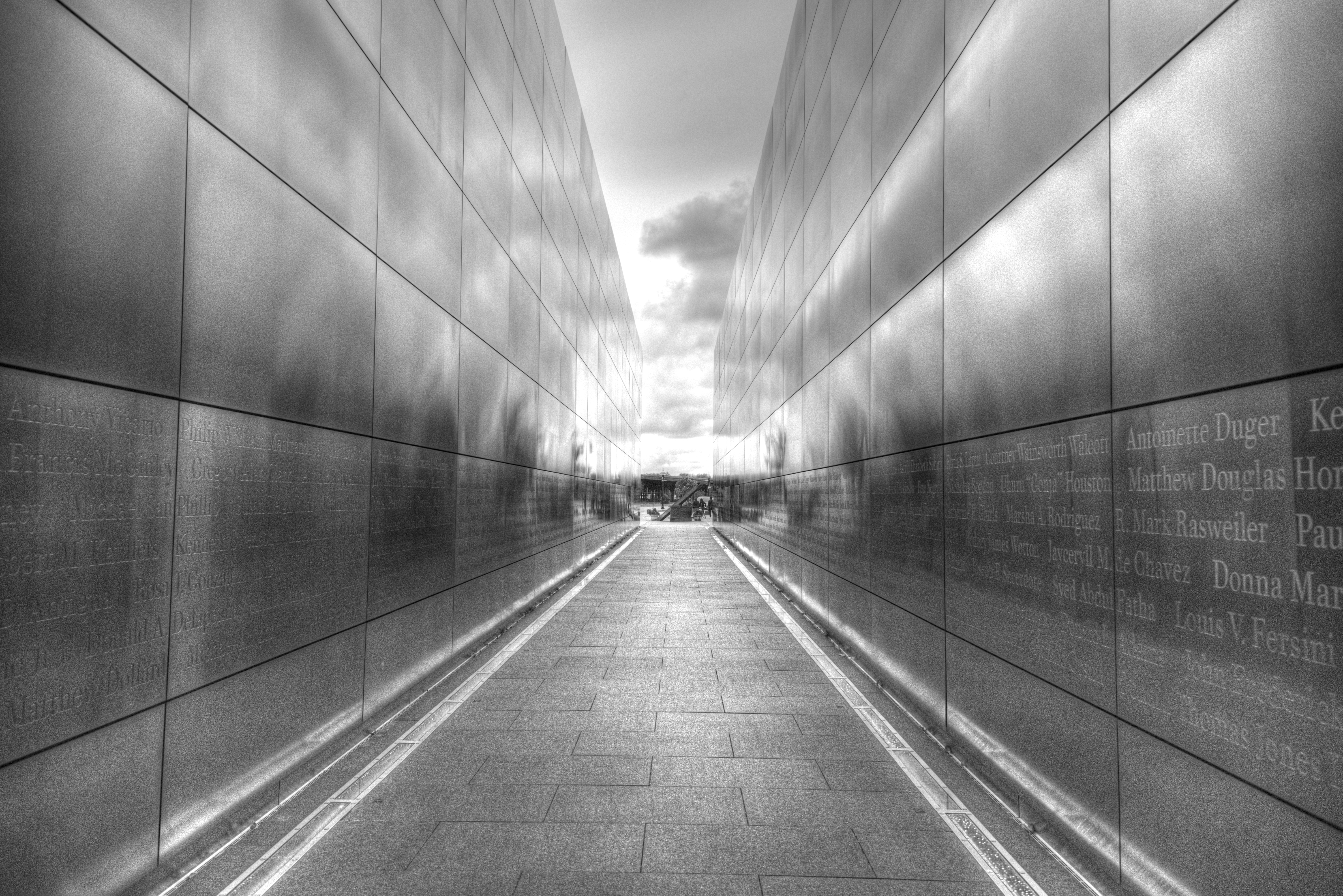
    Liberty Island, To the Struggle Against World Terrorism and Robbins Reef Light top our ranked list of things to do. Each one shows the walk or ride to reach it, the cost, and how long it needs, and you can build your own day stop by stop in the planner above.
    How do I get to downtown Cape Liberty from the cruise terminal?
    The usual way in is by taxi or rideshare from the terminal; the hudson-bergen light rail also serves bayonne. The center is about 6.5 km from the berth.
    What money should I bring ashore?
    The local currency is the United States dollar (USD). Carry a little in cash, since small vendors often don't take cards.
    What if the day runs long, or I miss the ship?
    If a tour sold by your ship runs late, the ship waits; book independently and that safety net is gone, which matters most on long outings. If you do miss it, go straight to the port agent. The name and number are on your daily program and posted at the terminal, and they coordinate catching the ship at its next call. Carry a photo of your passport ashore separate from the original, agree the fare back before you get in the taxi, and start toward the pier well before your leave-by time.
    What's the cruise ship schedule for Cape Liberty, New Jersey?
    The When to sail section plots every sailing we track that calls here, 128 through the year ahead, each one placed on the day the ship is in port and coloured by cruise line, so you can see which ships are scheduled and when. It's the published schedule from the lines we track, not a live position tracker.

    Based on 14 sources, last verified Aug 12, 2026.

    Open data: weather & climate © Open-Meteo (CC BY 4.0); maps & places © OpenFreeMap and OpenStreetMap contributors (ODbL); storm history from NOAA IBTrACS; reference from Wikidata, Wikipedia & Wikivoyage (CC BY-SA). Photos are credited individually.