7-night Western Mediterranean cruise from Barcelona on Costa Smeralda
The Spain, Italy, France is a 7-night Western Mediterranean cruise aboard Costa Smeralda, operated by Costa Cruises. Departing Barcelona on November 2, 2026, the voyage visits 6 ports including Cagliari, Palermo, Civitavecchia, Rome. Fares start from $982 per person.
Fixed editorial images from the places on this itinerary. They stay stable each time you return to this sailing.
Barcelona
On the northeast coast of Spain, overlooking the Mediterranean, Barcelona is a vibrant port city, packed with centuries of iconic art and architecture—Gaudí and Picasso both called it home—and lined with sunny white-sand beaches. Explore the Catalan capital's tourist attractions and historic neighborhoods, Modernisme and world-renowned art museums, galleries and local crafts shops—some of which are centuries old and stock traditional Catalan wares. After you see the sights, there are lively tapas bars around every corner where you can stop for a drink, a café amb llet (Catalan for espresso with steamed milk) or a snack, no matter the hour. Green spaces for picnics, long walks and respite from the hustle and bustle are scattered throughout Barcelona's attractions: There's Gaudí's mosaic-decorated park, a neoclassical maze at the Laberint d'Horta, as well as plenty of high places (mountains, monuments and edifices) where sightseeing visitors can take in the view. A short trip from Barcelona by car or train, luxury outlets, cava wineries, a mountaintop abbey and the sandy beaches of the Mediterranean coast await.
Cagliari
The serene sea approach to Cagliari is an exquisitely beautiful way to first lay eyes on the city’s mesmerising interplay of colour, spires and domed churches. Sat on Sardinia’s south coast, Cagliari is the island’s largest city, and a sun-blessed escape of beaches, architecture and Mediterranean food – where stress evaporates on contact. That first sight of Cagliari’s mosaic of architecture reveals much about the island’s history, and is a living document of the civilisations and influences that have passed through.
Combining Byzantine churches with crumbling Roman ruins and Pisan towers, it’s an elegant, beguiling place to explore. Usher in the morning with a short, sharp espresso hit, before wandering along to San Benedetto market’s bustle, crammed full of overflowing heaps of local produce. Taste crisp, freshly-baked bread, thin shavings of sheep’s cheese, and ripe red strawberries, as you wander amid the market’s melody of good-natured bartering. The Castello quarter’s tight, flower-draped streets and salmon-hued brick buildings incline up above the Med’s softly lapping waves. Climb Bastione di Saint Remy staircase to Terrazza Umberto’s views of the turquoise Gulf of Angels. Next, Cathedral of Santa Maria awaits, with its marbled interiors, elaborate side chapels and intricately decorated crypt. Once you’ve unravelled Cagliari’s historical tapestry, Poetto Beach invites you to find a spot on almost five miles of uninterrupted sand, met by a dazzling expanse of turquoise water. On a hot summer’s day, soak up some sun before saluting the sunset with an ice cold Spritz at a beachside bar. Spaghetti with salted bottarga and artichokes will keep the good times rolling, perfectly accompanied by a glass of ruby-coloured Cannonau wine.
Palermo
The capital of Sicily is situated on a crescent-shaped bay on the island's north coast. Once the intellectual capital of southern Europe, Palermo has always been at the crossroads of civilization. Due to its favourable location, Sicily's most interesting city has attracted almost every people and culture touching the Mediterranean world. Its most unique characteristic is a harmonious blend of Arab-Norman cultures mixed with Byzantine and Jewish elements, which created some unforgettable and resplendent works of art.
Phoenician traders first colonized Palermo in the 6th-century BC, but it was the Carthaginians, who built the important fortress here that caught the covetous eye of the Romans. After the first Punic War, the Romans took control of the city in the 3rd-century BC. Following several invasions by the Vandals, Sicily was settled by Arabs, who made the country an emirate and Palermo a showpiece capital that rivalled in splendour both Cordoba and Cairo. The city became a magical place of palaces and mosques, minarets and palm trees. In the 11th-century Palermo was conquered by the Norman ruler, Roger de Hauteville. During the Normans' hundred-year occupation, the city experienced a remarkable period of enlightenment and a flourishing of the arts. Counting a population of more than 300,000, Palermo became the centre of Norman rule and one of the most important trading centres between East and West.
Eventually, Palermo was incorporated into the “Kingdom of the Two Sicilies” under the Swabian ruler Frederick II, known as the Holy Roman Emperor. After the bloody Sicilian Vespers uprising in 1282, the Spanish took control and brought the Inquisition to Palermo. Some historians believe that the nature of the Inquisition helped foster the protective secret societies that eventually evolved into the Mafia.
Today, visitors can still experience the legacy of Palermo's rich past. Great Arab-Norman buildings include the Cappella Palatina, La Martorana, San Giovanni degli Eremiti and, a few miles outside the city, the Cathedral of Monreale. Palermo's bustling streets and animated markets give the town an Oriental feel. The Quattro Canti, or Four Corners, is the monumental crossroads laid out in 1608-1620 at the central intersection of the four longest and straightest streets of the city. North of Piazza Castelnuovo lie the avenues of the new city. Most sights are scattered along three major streets: Corso Vittorio Emanuele, Via Maqueda and Via Roma.
A vigorous metropolis with a strong historical profile, Palermo is packed with interesting sights, which make it an enriching and enjoyable place to explore.
Prices come from third-party data feeds via Costa Cruises and may differ from the cruise line's current fare. Confirm the final price before booking. How our pricing works
Lowest fares with no residency, age, or service requirement — verify eligibility at booking. How our pricing works
Not ready to book?
Get price alerts
We’ll email you when fares drop or return.
Check your email to finish
We sent a confirmation link to your inbox. Your alert is not on yet — click that link to switch it on.
Follow the entire sailing from its first day to its last, with the route and schedule in one view.
Day 1·Nov 2, 2026
Barcelona
On the northeast coast of Spain, overlooking the Mediterranean, Barcelona is a vibrant port city, packed with centuries of iconic art and architecture—Gaudí and Picasso both…
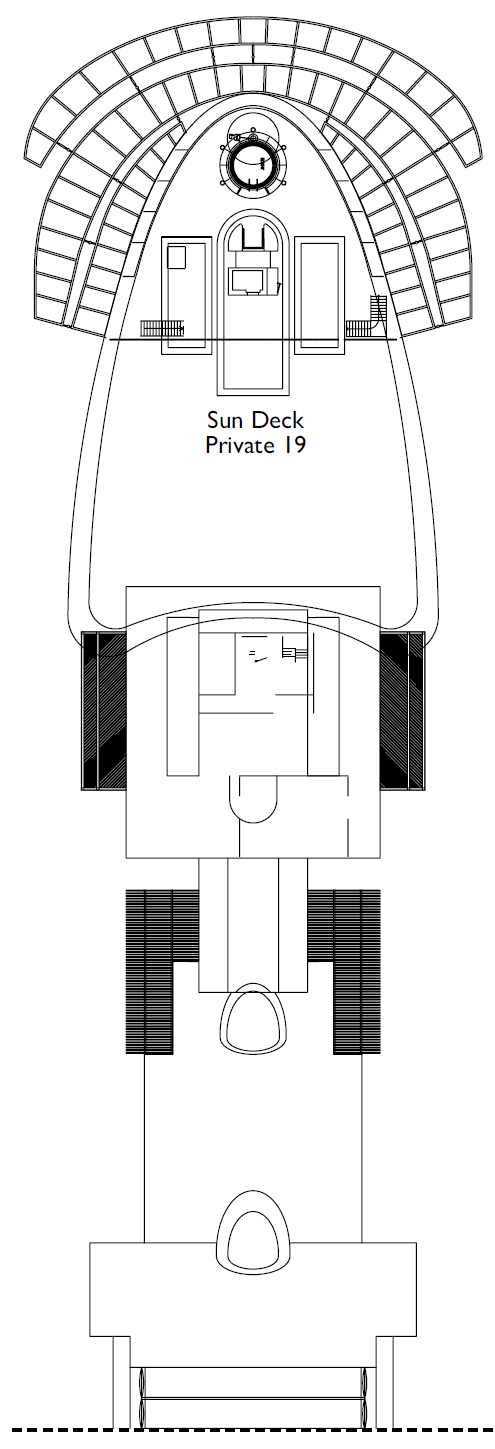
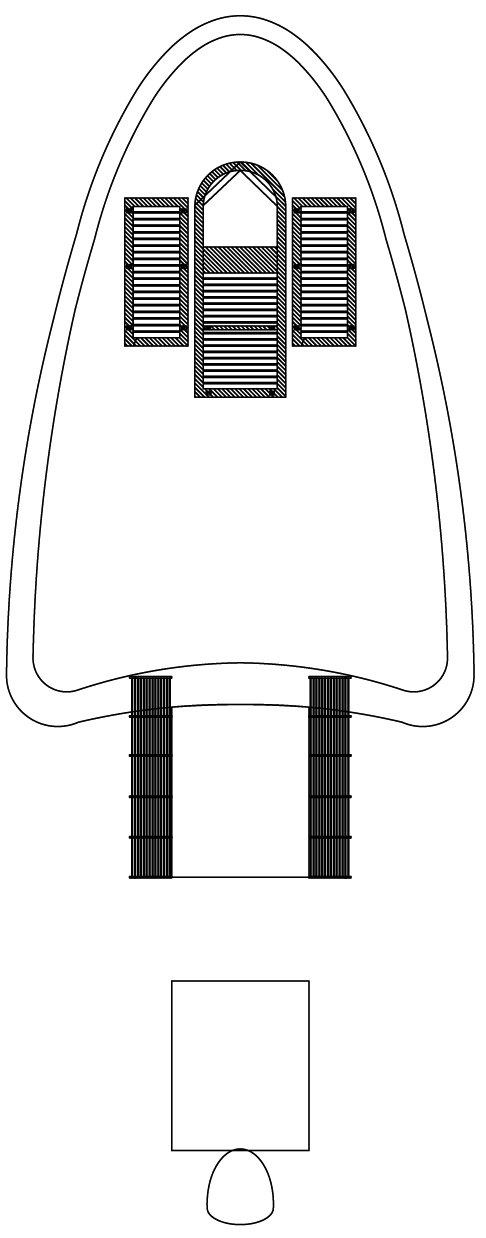
Costa Smeralda is the ship that is the symbol of beauty, style and Italian hospitality. Its spaces were expertly created drawing inspiration from the squares of our beautiful country.
What’s new on our latest Flagship: The Colosseum, the heart of the Costa Smeralda, spanning three decks at the centre of the ship, dedicated to the finest in entertainment. The Piazza di Spagna: a grand open air staircase overlooking the stern. The "Volare" walkway that reaches the highest point on the ship at 65 metres and Trastevere: a square in the centre of the ship that combines bars, shops and entertainment in one place. Now take a look at the current position of Costa Smeralda.
We count visits anonymously without cookies. Accept cookies to let us remember you across visits and connect activity if you create an account, or decline and we'll still count you anonymously. Read our privacy policy
ESC
The Captain
I'm the Captain. Tell me what you're after — "Caribbean under $2,000" or "7 nights from Miami" — and I'll find the sailing and its price history.